 Admin
Admin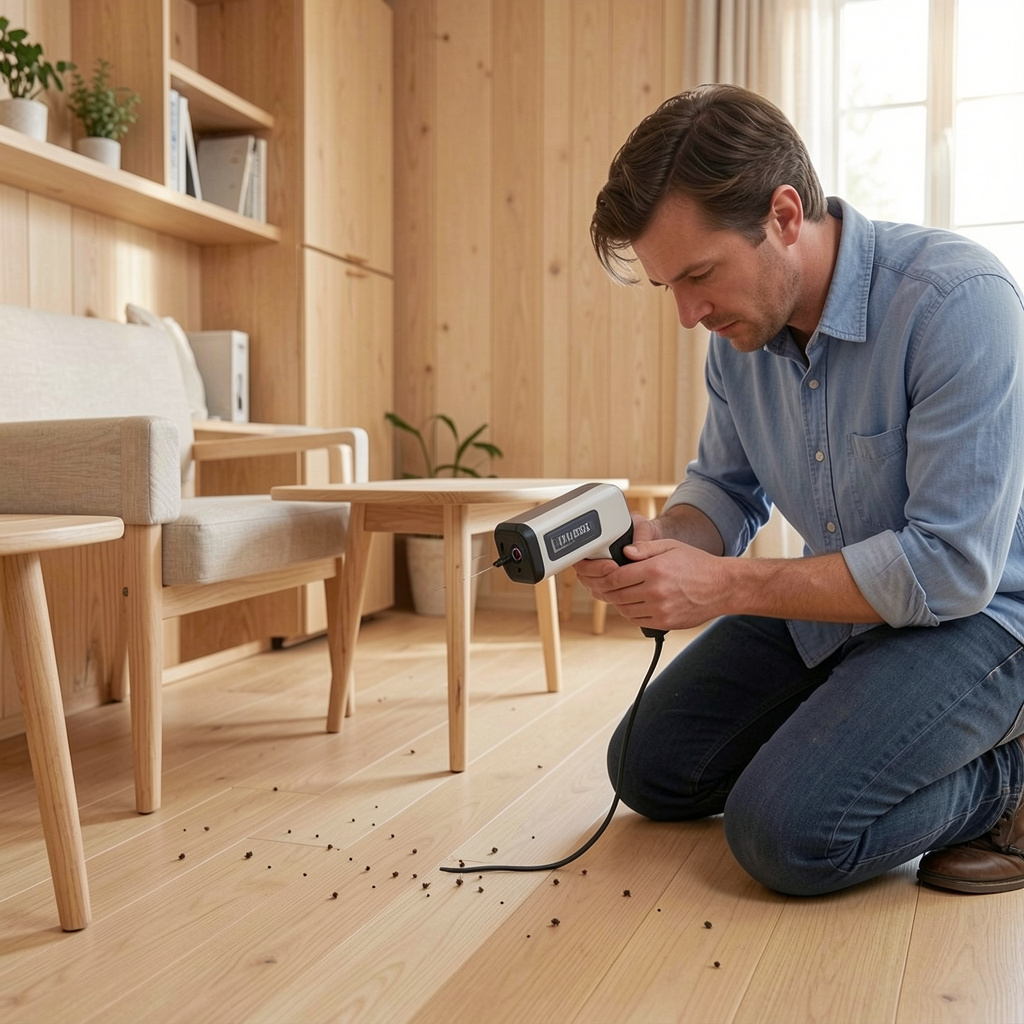
Wooden walls add warmth, beauty, and natural charm to homes, cabins, and traditional buildings. However, because wood is a natural material, it can sometimes become vulnerable to hidden pests that quietly damage timber from the inside. One of the biggest concerns for homeowners is that pest damage inside wooden walls often develops silently and may remain unnoticed until serious repairs become necessary.
Hidden pests such as woodworm, termites, carpenter ants, and other wood-boring insects can tunnel through timber behind walls for months or even years. Since much of the damage happens out of sight, homeowners often only notice problems after seeing cracks, weak timber, powdery dust, or unusual sounds inside walls.
The good news is that wooden walls can be protected, and early prevention is far easier and less expensive than repairing major damage later.
Many homeowners researching timber care through shashel.eu/ understand that protecting wooden walls begins with prevention, moisture control, and regular inspections.
In this guide, we will explain how to protect wooden walls from hidden pests and maintain healthy timber for the long term.
Why Wooden Walls Attract Hidden Pests
Wood provides food and shelter for many insects.
Common Hidden Wall Pests Include
- Woodworm beetles
- Termites
- Carpenter ants
- Powderpost beetles
Why Some Walls Become More Vulnerable
Risk increases when wood becomes:
- Damp
- Cracked
- Untreated
Poor ventilation also increases risk.
Healthy timber naturally discourages infestation.
Keep Wooden Walls Dry
Moisture is one of the biggest causes of pest problems.
Why Moisture Matters
Damp timber becomes:
- Softer
- Easier for insects to damage
Common Moisture Sources
Watch for:
- Roof leaks
- Plumbing leaks
- Condensation
Dry walls naturally resist infestation better.
Fix moisture issues quickly.
Many homeowners exploring timber care through shashel.eu understand that moisture control is one of the most effective ways to protect wooden walls naturally.
Improve Indoor Ventilation
Poor airflow traps humidity inside homes.
Why Ventilation Helps
Healthy airflow helps:
- Reduce dampness
- Lower humidity
This makes wooden walls less attractive to pests.
Areas That Need Attention
Improve airflow around:
- Attics
- Crawl spaces
- Wall cavities
Good ventilation protects timber.
Inspect Wooden Walls Regularly
Routine inspections help catch problems early.
Warning Signs to Watch For
Check for:
- Tiny holes in wood
- Cracks
- Powdery dust
Why Inspection Matters
Early signs often appear before severe damage develops.
Frequent checks save money.
Small warning signs matter.
Listen for Unusual Sounds
Some hidden pests make noise inside walls.
Sounds That May Signal Problems
You may hear:
- Light tapping
- Scratching
Possible Causes
This may suggest:
- Termites
- Carpenter ants
Repeated sounds deserve attention.
Never ignore unusual activity.
Seal Cracks and Gaps
Small openings often become entry points.
Areas to Inspect
Check around:
- Windows
- Door frames
- Wall joints
Why Sealing Matters
Closing gaps helps reduce:
- Pest access
Small repairs improve protection.
Preventive maintenance matters.
Watch for Powdery Dust
Fine dust may signal hidden wood damage.
Why Dust Matters
Powdery dust may indicate:
- Woodworm activity
Common Places to Check
Inspect near:
- Wall edges
- Baseboards
Fresh dust often suggests active infestation.
Fast action improves results.
Protect Roof and Plumbing Areas
Many wall problems begin with moisture.
Areas Worth Inspecting
Check:
- Roof systems
- Water pipes
Why This Matters
Leaks create damp conditions pests prefer.
Early repair protects timber.
Healthy walls stay dry.
Monitor Wooden Wall Strength
Weak wood may signal hidden pest damage.
Warning Signs Include
- Soft timber
- Hollow sounds
- Wall weakness
Simple Test
Tap wooden surfaces gently.
Healthy timber sounds:
- Solid
Damaged wood may sound:
- Hollow
Structural warning signs deserve attention.
Consider Modern Pest Treatment Options
Modern technology may help protect hidden timber.
Common Treatment Methods Include
- Heat treatment
- Microwave treatment
These methods may help eliminate hidden wood pests safely.
Professional advice improves outcomes.
Many homeowners researching timber care through shashel.eu increasingly explore advanced timber protection methods for hidden wall infestation.
Protect Exterior Wooden Walls
Outdoor wooden walls face additional risks.
Common Threats Include
- Rain
- Humidity
- Sunlight
Helpful Protection Methods
Use:
- Weather-resistant finishes
- Protective coatings
Routine maintenance improves durability.
Outdoor wood requires extra care.
Keep Storage Areas Clean
Cluttered spaces may attract pests.
Areas Worth Monitoring
Inspect:
- Basements
- Storage rooms
Why Cleanliness Helps
Healthy spaces naturally discourage pests.
Small habits improve prevention.
Schedule Professional Inspections
Experts often detect hidden damage early.
Professionals May Identify
- Hidden infestation
- Moisture problems
- Structural risk
Routine inspections help prevent costly repairs.
Professional advice matters.
Common Mistakes Homeowners Make
Ignoring Moisture Problems
Dampness attracts pests.
Delaying Repairs
Small problems grow over time.
Skipping Hidden Areas
Wall interiors deserve attention.
Assuming No Visible Damage Means No Problem
Hidden pests often remain unseen.
Routine care improves protection.
Long-Term Benefits of Wall Protection
Protecting wooden walls offers many advantages.
Benefits Include
- Lower repair costs
- Better structural safety
- Longer timber lifespan
- Healthier indoor environments
Healthy walls protect the home.
Prevention saves money.
Conclusion
Protecting wooden walls from hidden pests requires regular inspections, moisture control, ventilation, sealing cracks, and preventive maintenance. Because hidden pests often damage timber quietly behind walls, early detection is essential for avoiding expensive structural repairs.
Keeping wood dry, improving airflow, monitoring warning signs, and using modern treatment methods when necessary are some of the best ways to protect wooden walls long term.
